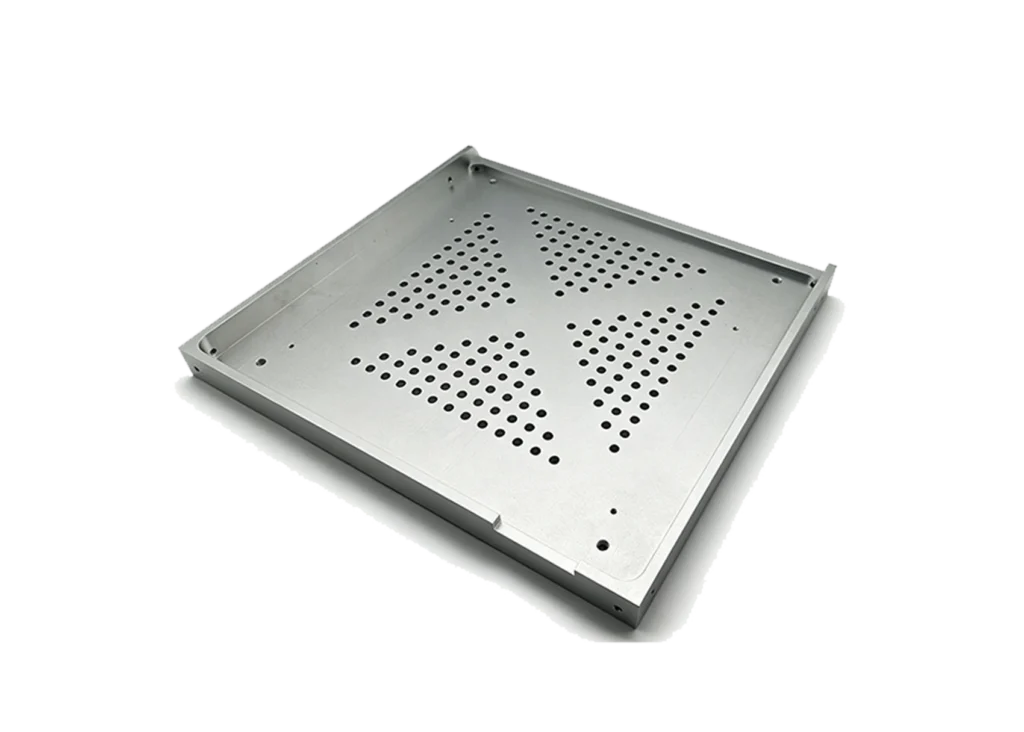
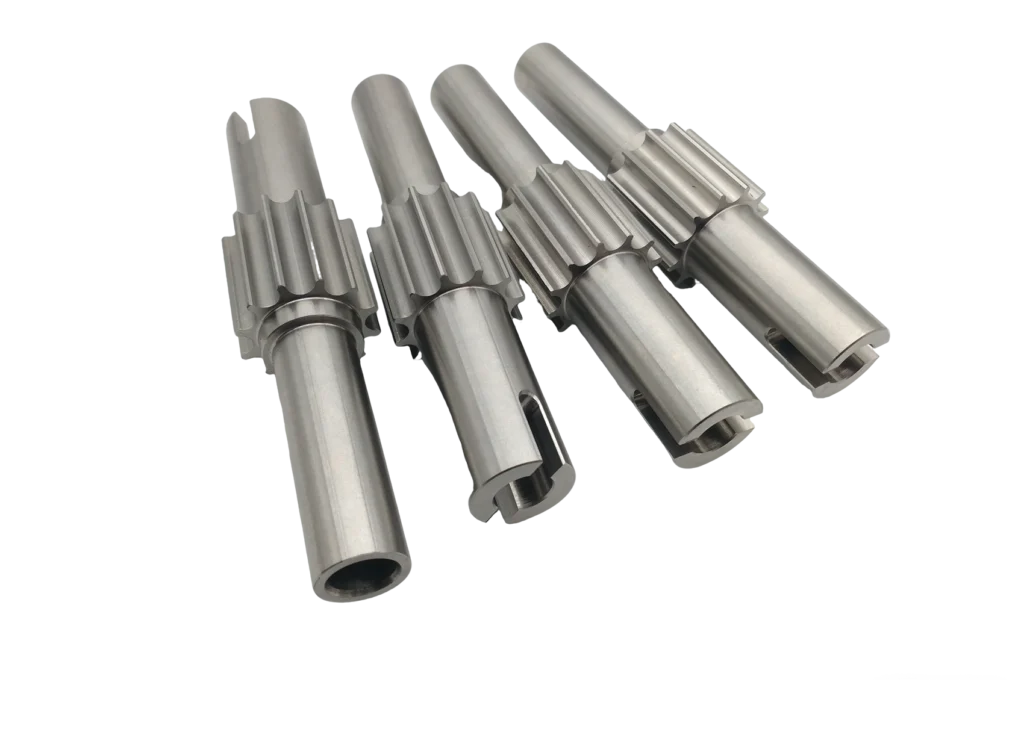
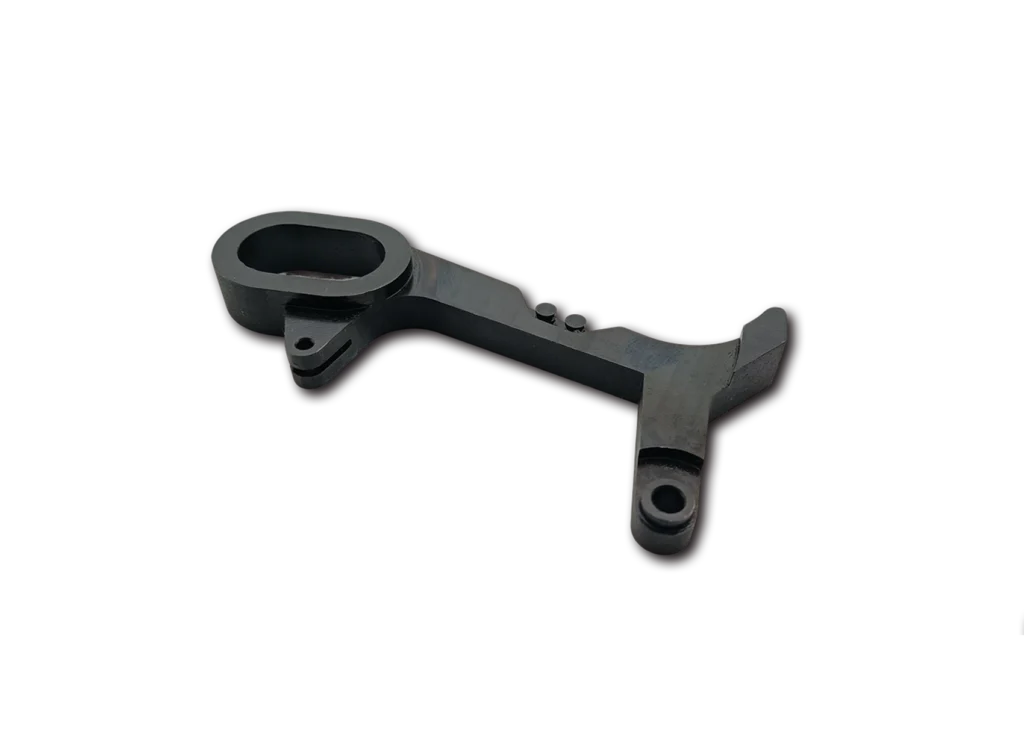
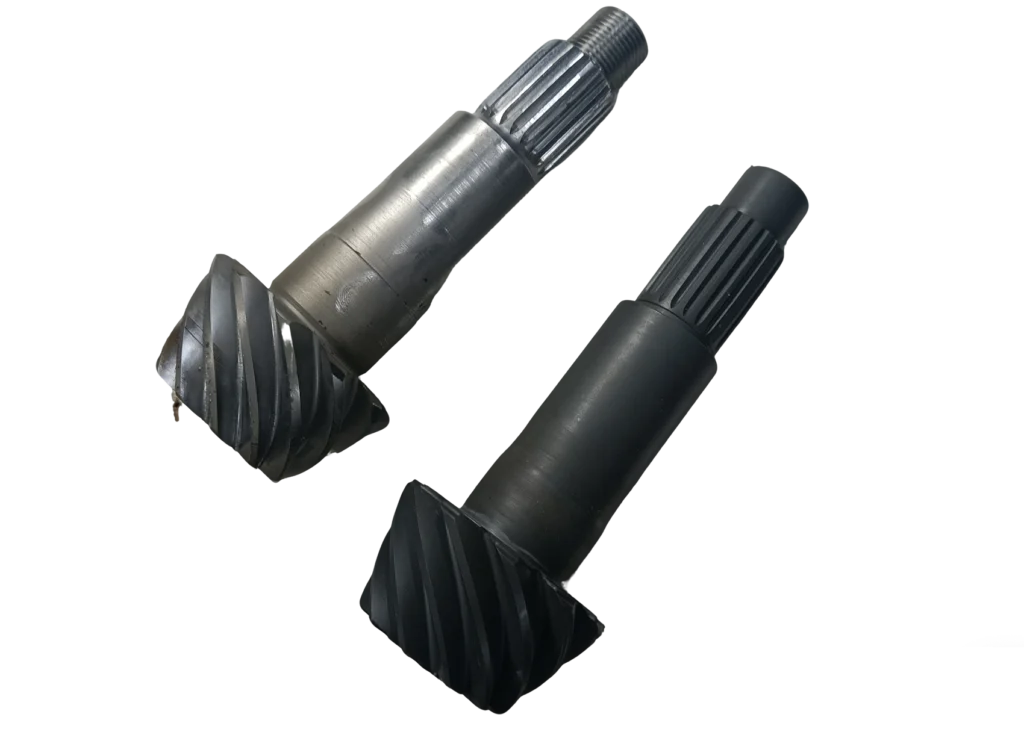
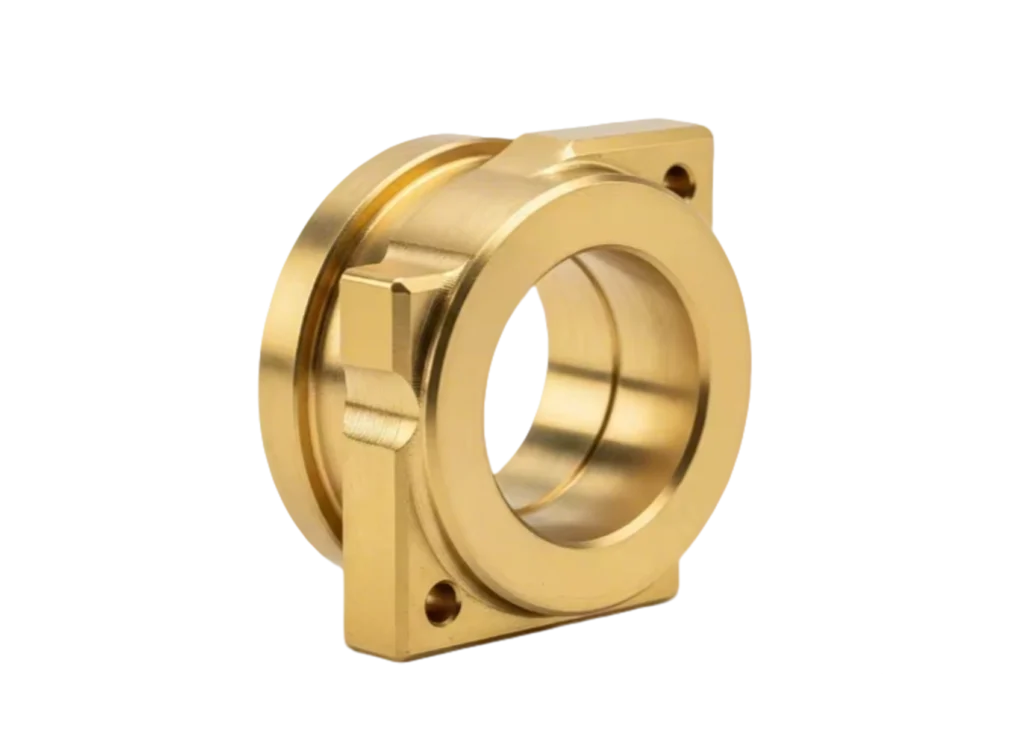
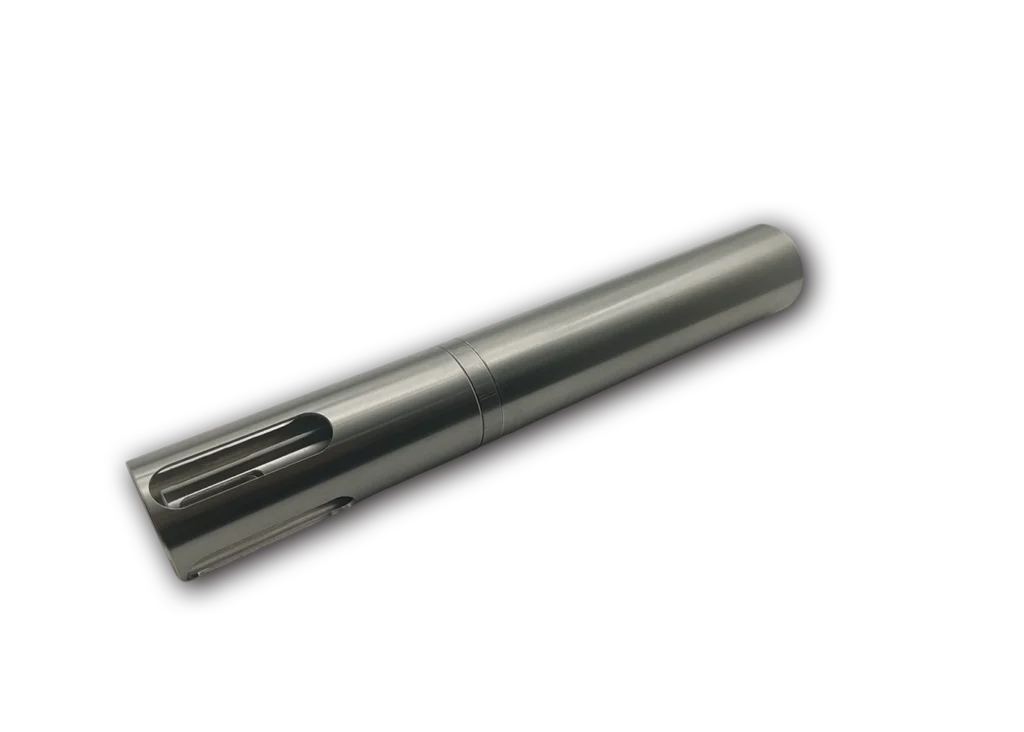
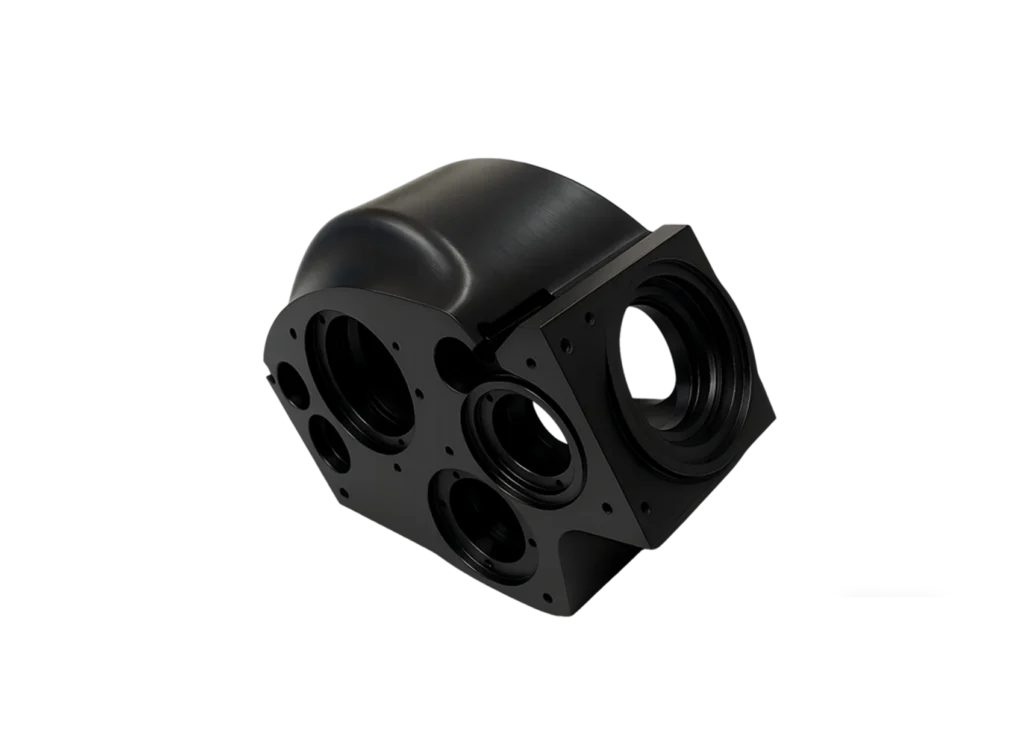
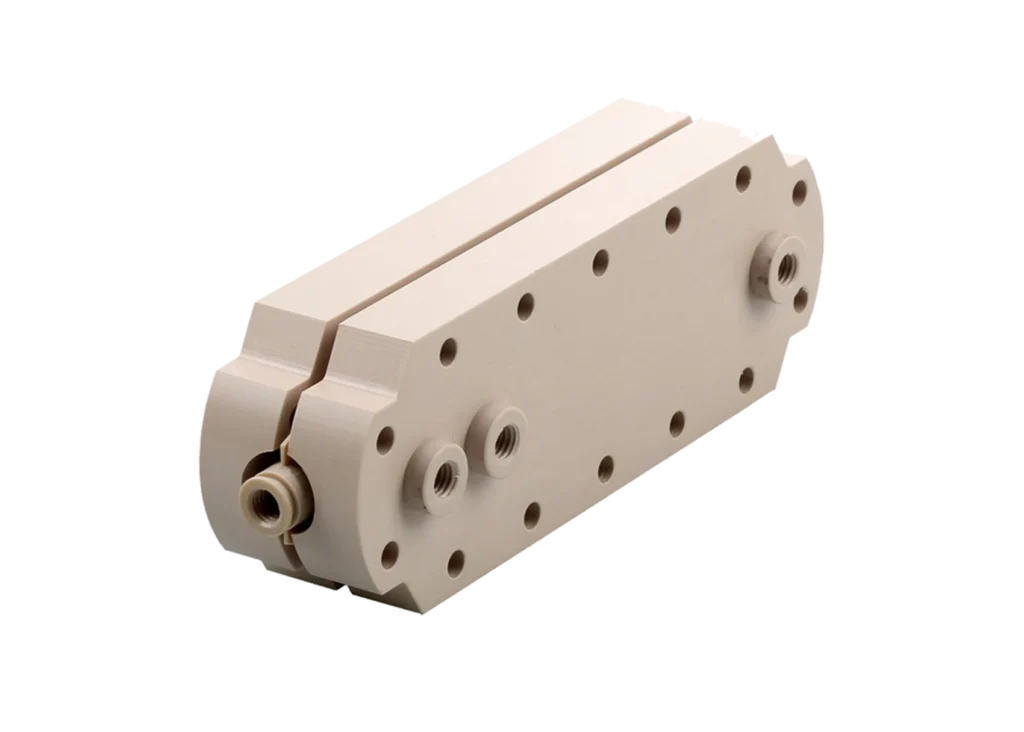
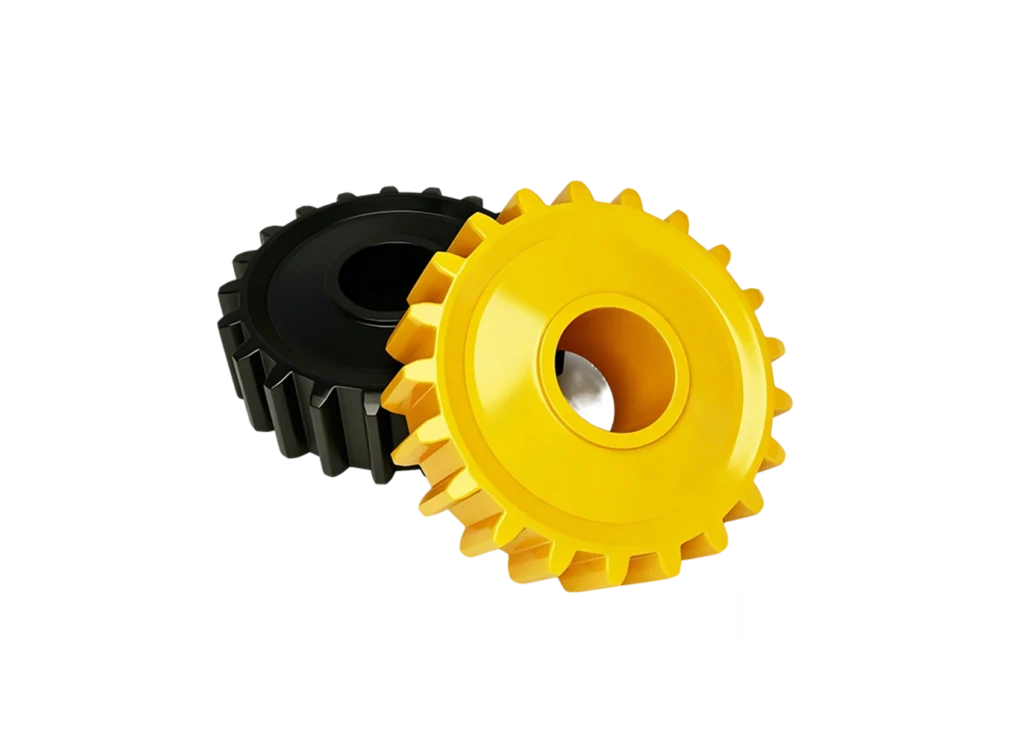
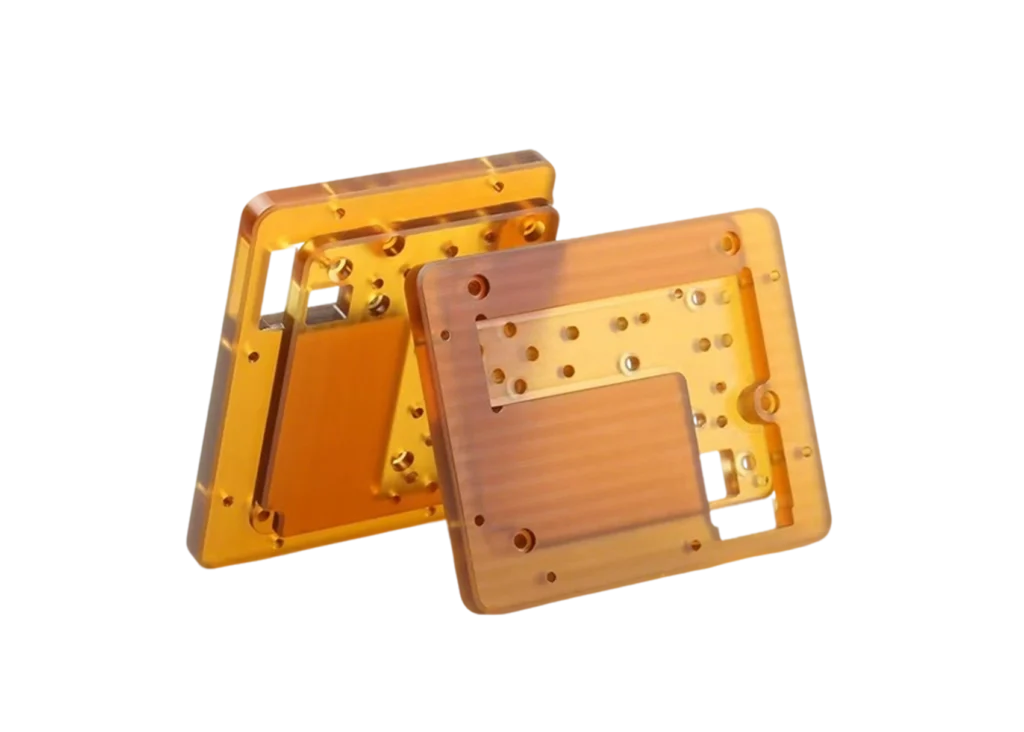
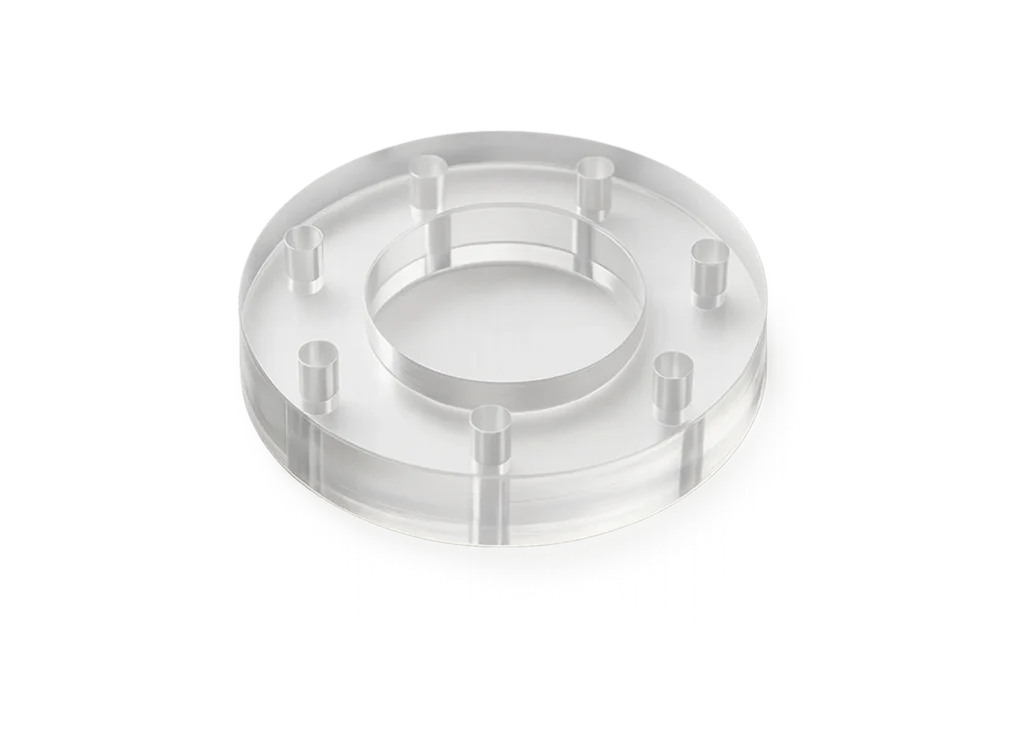
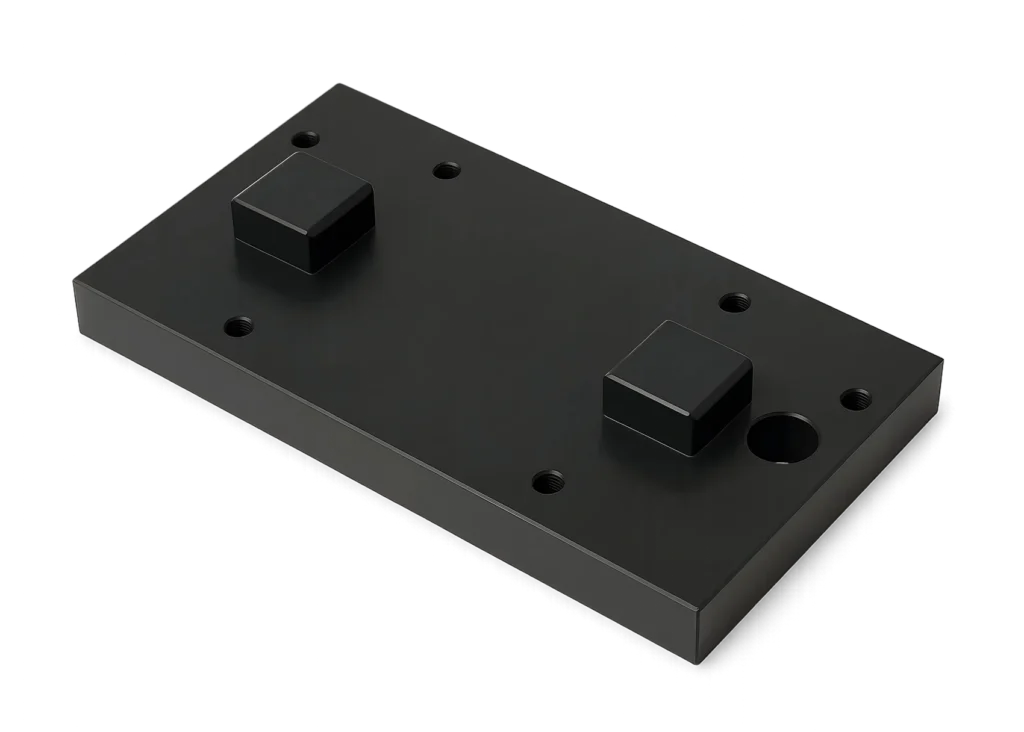
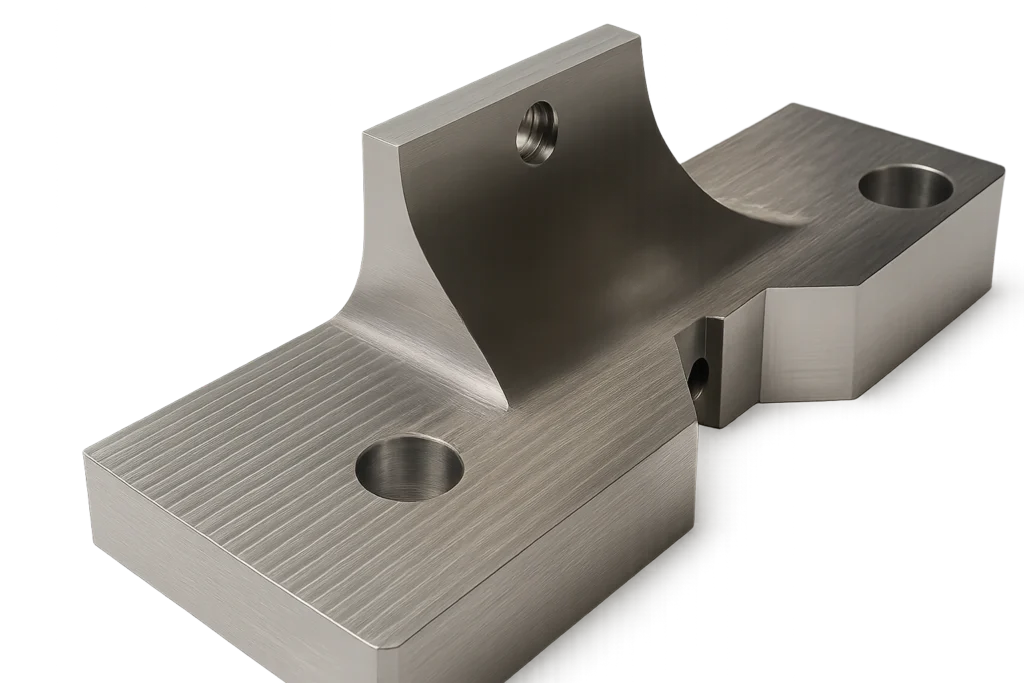
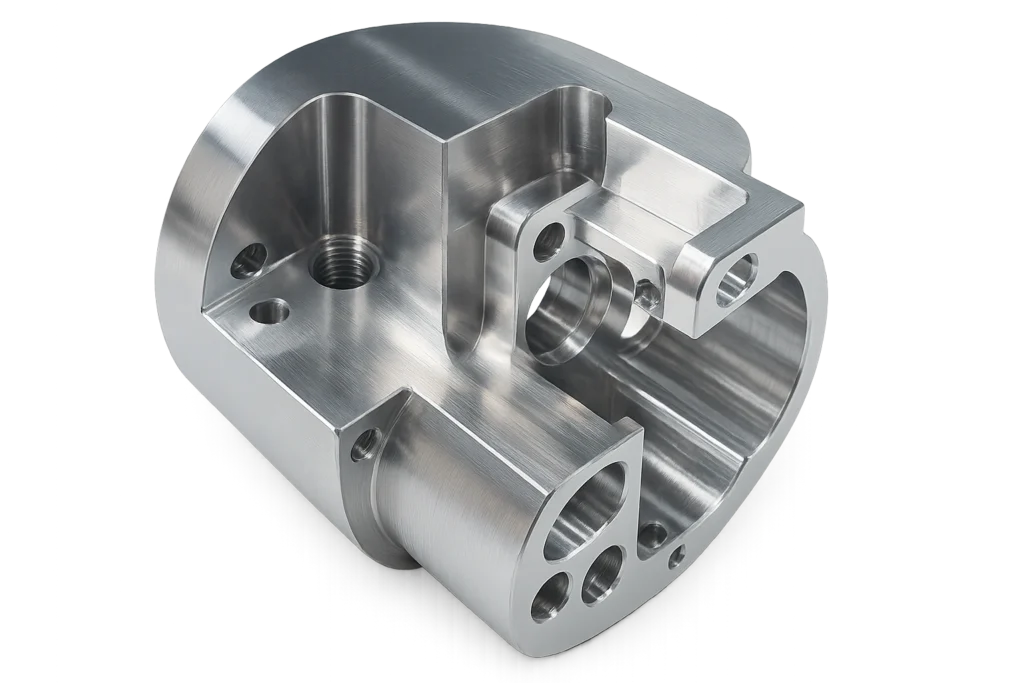
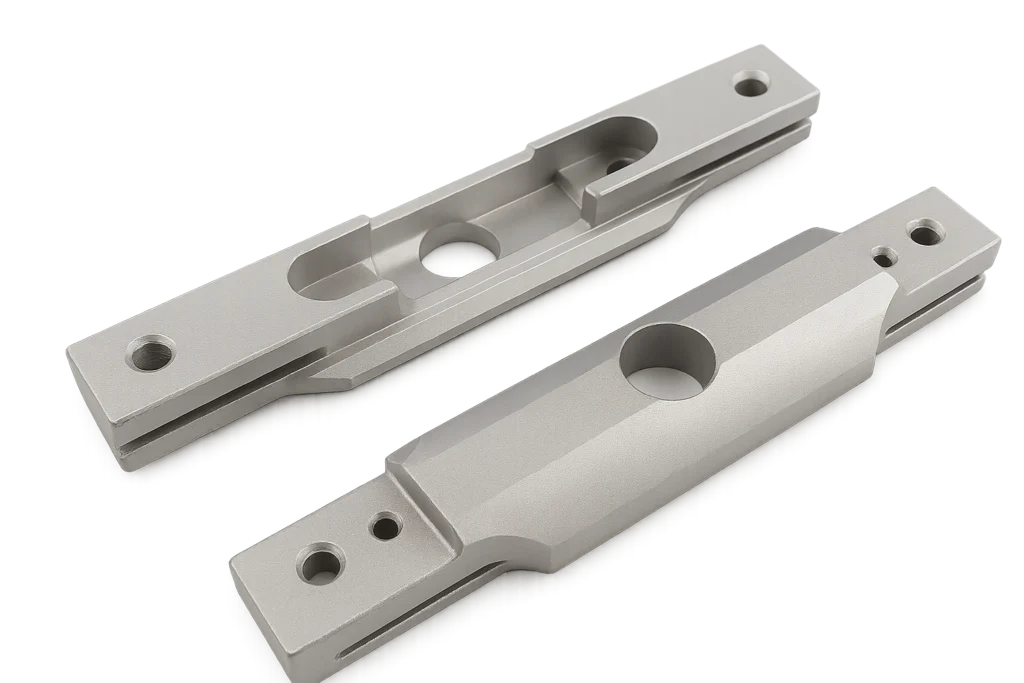
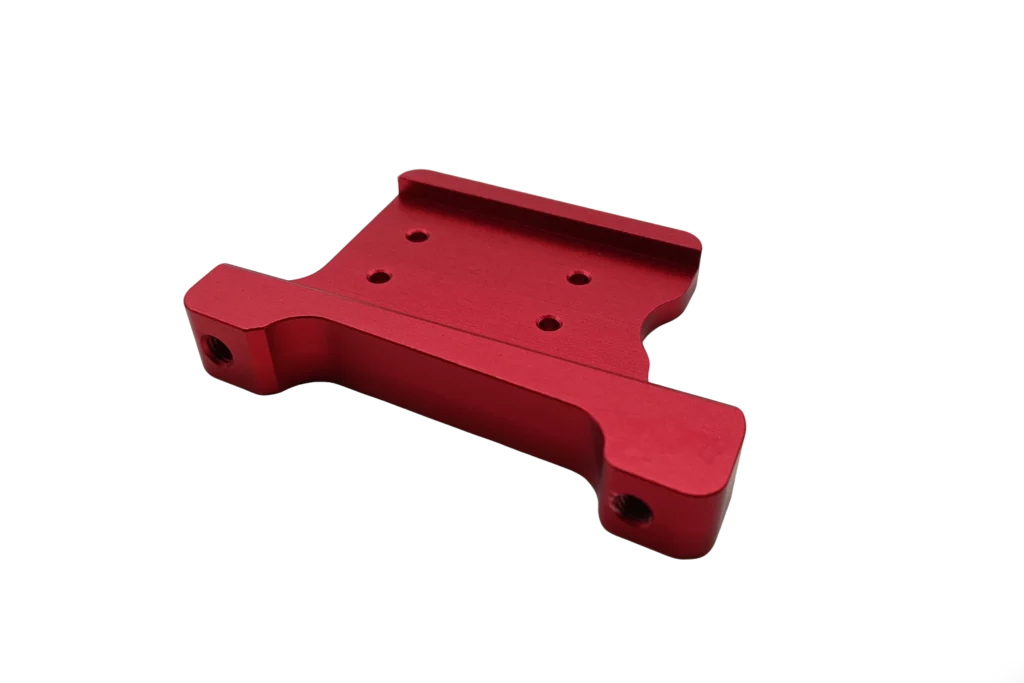
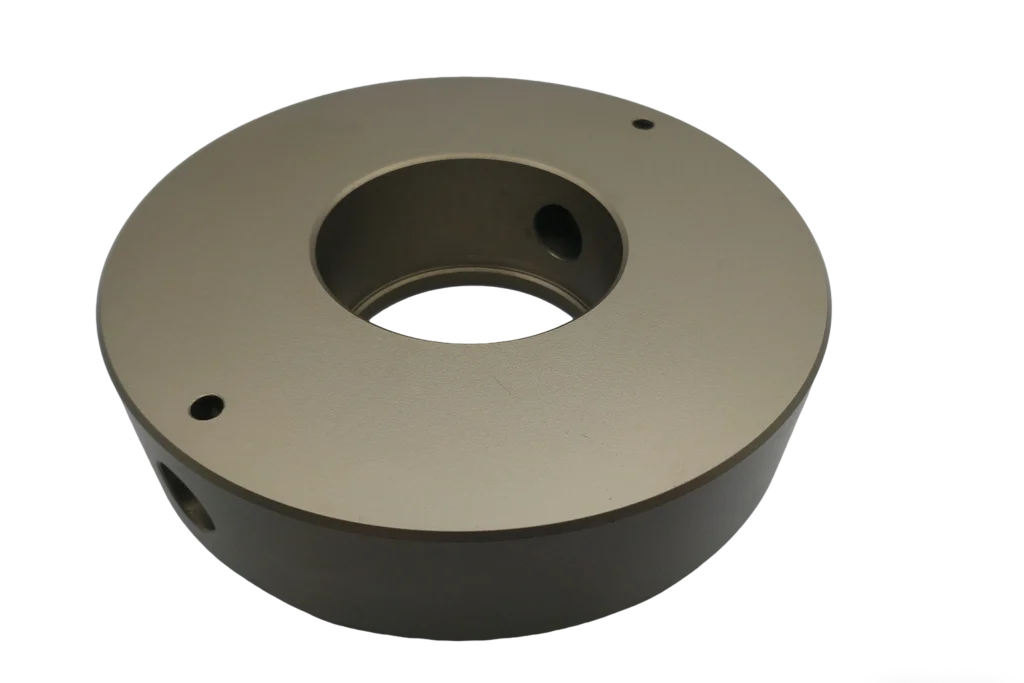
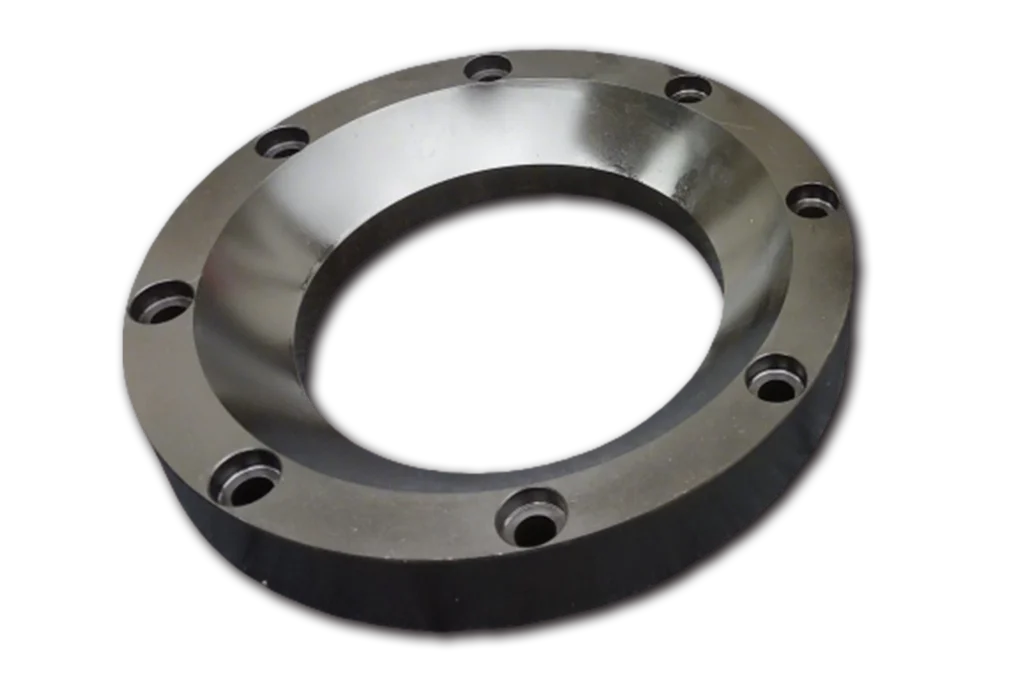
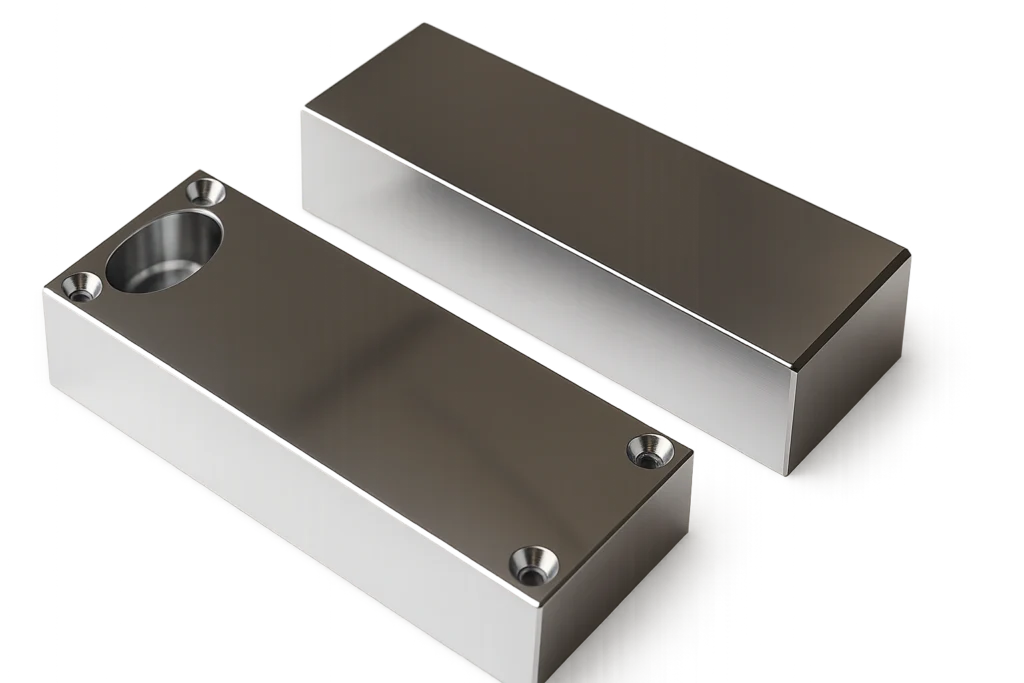
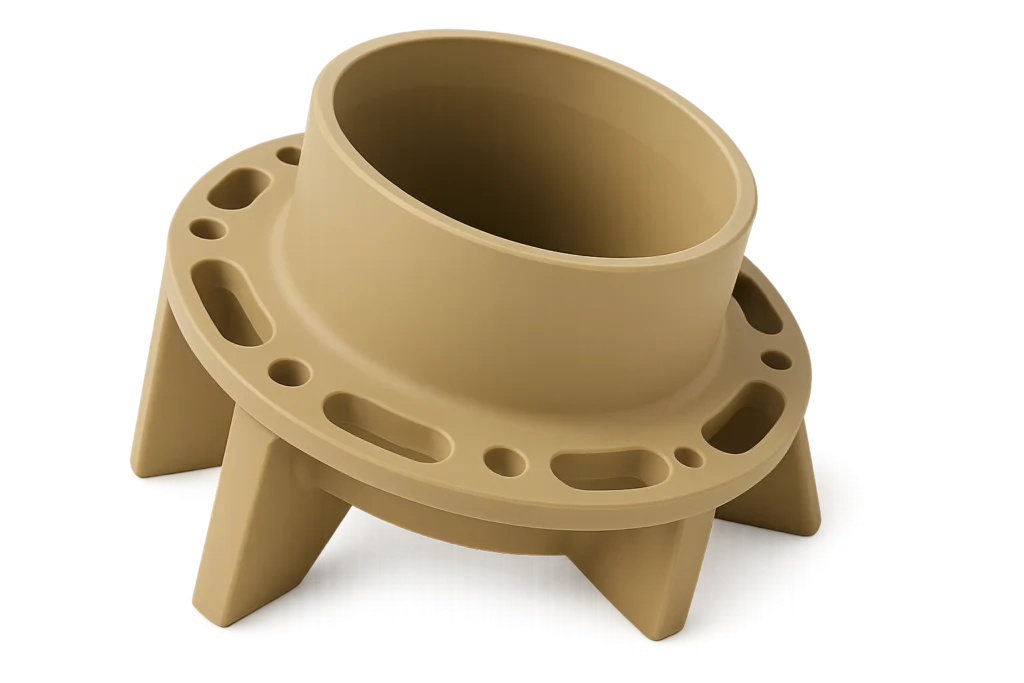
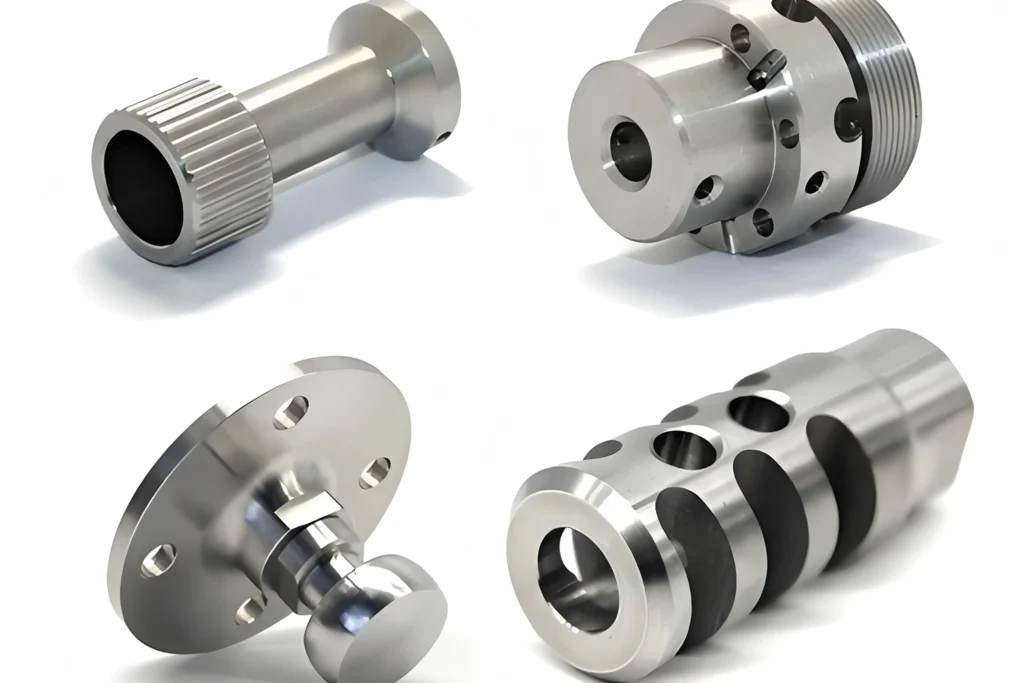
Our facility utilizes CNC milling technology to deliver custom prototypes in as fast as 1 day. Equipped with 3-axis, 4-axis, and 5-axis CNC milling machines, we manufacture high-precision machined parts from a wide selection of materials. Leveraging advanced multi-axis CNC machining centers, we transform your 3D models into complex components with tight tolerances, excellent surface finishes, and repeatable quality. This makes our service the ideal choice for prototyping, functional parts, and low-to-mid volume production.
3-Axis, 4-Axis, and 5-Axis Machining
Meets most standard part requirements with excellent cost performance.
It adds workpiece rotation, enabling cylindrical or helical groove machining. More efficient than 3-axis, it is suitable for longer parts requiring multisided machining.
It integrates dual rotary axes, enabling simultaneous precision machining of multiangle and complex curved surfaces, making it suitable for complex parts that are highprecision, multifeatured, and difficult to reposition in multiple setups.
| Equipment Name | Equipment Model | Machining Range | Accuracy |
|---|---|---|---|
| 5-Axis Machining Center | TC-U450 | Max.X: 500mm, Y: 700mm, Z: 400mm | ±0.01mm |
| 5-Axis Machining Center | KLS966L3 | Max.X: 900mm, Y: 600mm, Z: 450mm | ±0.01mm |
| 3-Axis Machining Center | KLS850L3 | Max.X: 800mm, Y: 500mm, Z: 400mm | ±0.01mm |
| 3-Axis Machining Center | KLS1380L8 | Max.X: 1300mm, Y: 800mm, Z: 450mm | ±0.01mm |
| 3-Axis Machining Center | KLS966L5 | Max.X: 900mm, Y: 600mm, Z: 500mm | ±0.01mm |
| 4-Axis Machining Center | T6 | Max.X: 600mm, Y: 500mm, Z: 400mm | ±0.01mm |
| 4-Axis Machining Center | KLS850L3 | Max.X: 800mm, Y: 500mm, Z: 400mm | ±0.01mm |
We offer an extensive selection of custom machining materials to meet both the design and functional requirements of prototypes, including both plastics and metals.


Appropriate surface treatment is the crucial final step in the manufacturing process, transforming a machined component into a high-performance, durable, and market-ready product. Our comprehensive suite of surface finishing services is designed to protect your parts from corrosion and wear while delivering the exact aesthetic you envision. Discover our capabilities to find the perfect solution tailored to your application.

Parts are machined and deburred, sharp edges are chamfered. Visible machining marks, light surface scratches.

Polishing involves producing a smooth, glossy surface by mechanical rubbing or through the use of chemical treatments.

Parts are bead blasted with glass beads which results in smooth, matte appearance and reduced machining marks.

Parts are bead blasted to a #120 grit finish prior to receiving Type II anodizing—perfect for enhancing aluminum's corrosion resistance and improving its visual appearance.

Parts are bead blasted to #120 grit before undergoing Type III anodizing. Type III (Hard Anodizing) provides a thicker, wear-resistant coating in addition to Type II’s corrosion protection, making it ideal for demanding functional uses.

Black oxide is a type of conversion coating applied to steel parts to enhance corrosion resistance and reduce surface reflectivity.

A surface finishing process that uses a series of increasingly fine abrasive tools and compounds to produce a highly reflective, mirror-like surface finish.

This finish involves coating the parts with powdered paint and curing them in an oven, creating a tougher, more wear- and corrosion-resistant surface compared to conventional painting techniques.

Includes Nickel Plating, Silver Plating, Gold Plating, Zinc Plating, Chrome Plating, Tin Plating, and more—perfect for enhancing corrosion resistance, appearance, solderability, and electrical conductivity.
We employ precise thermal processes such as quenching, tempering, and case hardening to fundamentally enhance the performance of your metal components. This controlled transformation optimizes material properties, delivering increased hardness, superior strength, and enhanced wear resistance for demanding applications, ultimately leading to a longer component lifespan.
| Process Name | Primary Purpose | Typical Applications | |
|---|---|---|---|
| Quenching | Significantly increases hardness, strength, and wear resistance. | Components requiring high hardness and wear resistance, such as bearings, gears, molds, and cutting tools. | |
| Quenching and Tempering | Achieves excellent balanced mechanical properties (high strength combined with good toughness). | Critical structural parts under complex loads, such as shafts, connecting rods, and bolts. | |
| Carburizing | Increases surface hardness and wear resistance of low-carbon steel workpieces. | Gears, piston pins, drive shafts, etc. | |
| Nitriding | Enhances surface hardness, wear resistance, fatigue strength, and galling resistance. | Precision machine tool spindles, high-speed engine crankshafts, injection molding machine screws, etc. | |
| Carbonitriding | Combines the characteristics of both carburizing and nitriding. | Various high-demand structural components, such as automotive and agricultural machinery parts. | |
| Solution Treatment and Aging | Increases strength and hardness of non-ferrous metals like aluminum alloys and stainless steel. | Aluminum alloy aerospace components, stainless steel structural parts. | |
| Vacuum Heat Treatment | Prevents oxidation and decarburization during heating, achieving a bright finish. | High-grade tool steels, mold steels, and precision aerospace components. |
We deliver more than just qualified parts; we deliver reliable solutions with the highest standards of precision,
quality, and on-time delivery. We understand the critical role our components play in the success of your products.
Maximum size:1500×800×500 mm(X×Y×Z). Minimum feature:We can machine small holes down to 0.2mm in diameter,depending on final drawing requirements.The smallest tool diameter we typically use is 1mm. Special needs:If your part exceeds these dimensions,we have partner suppliers who can provide a solution.
The key advantages of 5-axis machining include:
Our standard accuracy capabilities are:
We employ multiple strategies to control deformation in thin-walled parts:
Cost composition analysis:
| Factor | Cost Impact | Optimization Suggestion |
|---|---|---|
| Material | 15-40% | Select appropriate material grade. |
| Machining Time | 30-60% | Optimize design to reduce machining time. |
| Tolerance Requirements | ±20-50% | Loosen non-critical tolerances. |
| Surface Finish | ±10-30% | Specify based on functional needs. |
| Post-Processing | 5-25% | Choose based on actual requirements. |
| Order Quantity | Lower unit cost for larger volumes | Consider batch production. |
Comparison of thread machining methods:
| Method | Precision | Strength | Cost | Suitable Applications |
|---|---|---|---|---|
| Tapping with Taps | IT7-IT8 | Medium | Low | M1-M20,through-holes or shallow blind holes. |
| Thread Milling | IT6-IT7 | High | Medium-High | Large diameters,hard materials,blind holes. |
| Thread Forming(Forming Taps) | IT7 | High | Medium | Ductile materials(aluminum,copper). |
| Thread Turning | IT6 | High | Medium | Parts made on mill-turn centers. |